
Do Dogs Know When They Are Dying?
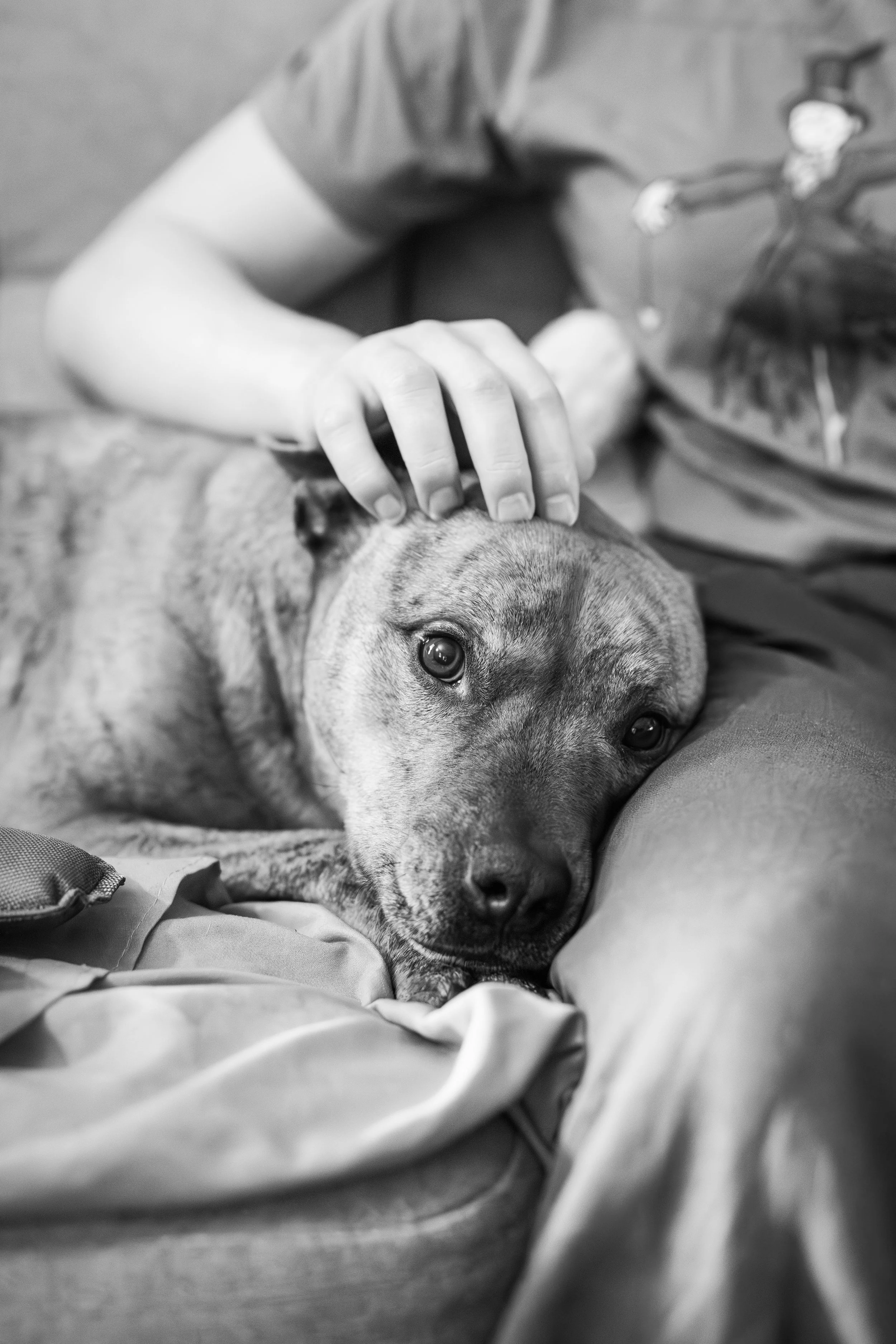
One of the most heart-wrenching questions pet owners face as their beloved companion approaches the end of life is: do dogs know when they are dying? While dogs may not understand death in the same way people do, they can often sense changes in how they feel and how their body is functioning. Dogs are intuitive and emotionally attuned, and while they may not understand death in the same way humans do, many show signs of awareness as their bodies begin to slow down. For families, this can be a time of deep sadness and uncertainty, but also one of love, connection, and comfort.
At Horizon Palliative Vets, we support pets and their people with compassion, clarity, and gentle care during this time. Understanding how dogs experience the end of life can help guide your decisions and support your pet’s comfort.
Can Dogs Sense Their Own Death?
While dogs may not understand death in a human sense, many show an instinctive awareness that something is changing. Changes in behaviour, energy levels and interaction can sometimes reflect how they are responding to declining health. As their bodies weaken, dogs often adjust their behaviour, seeking more time with their humans or sometimes choosing solitude.
They may become withdrawn, seem unusually calm, or disengage from their usual routines. This awareness is less about fear and more about acceptance. Dogs live in the present, and as they near the end, they often focus less on activity and more on rest and comfort.
Signs Your Dog May Be Near the End of Life
In the final days or weeks, you may notice a variety of changes in your dog. Understanding the signs that your dog may be nearing the end of life can help you monitor their comfort and know when to seek veterinary guidance.
Behavioural Signs
Sleeping more than usual
Withdrawal or reduced interaction
Confusion or restlessness
Less interest in surroundings or routines
Physical Signs
Changes in breathing, including laboured breathing
Weakness or difficulty standing or walking
Loss of bladder or bowel control
Vomiting or reduced appetite
These changes are a natural part of the dying process and can vary from one dog to another.
If you notice laboured, shallow, or abnormal breathing, or believe your dog is struggling to breathe, please call our team, your regular veterinary clinic, or your nearest emergency centre immediately.
Helping Your Dog Pass Peacefully
Providing a peaceful and comfortable transition is one of the most meaningful things you can do for your dog.
During this time, small, thoughtful actions can help them feel safe and supported.
You can help your dog by:
Creating a quiet, comfortable space where they can rest undisturbed
Keeping them warm with soft bedding and familiar items
Offering water and maintaining hydration where possible
Reducing noise, stress, and sudden changes in their environment
Providing pain relief with guidance from your veterinarian
Considering palliative care or euthanasia when it is the kindest option
The team at Horizon Palliative Vets is here to guide you through this time with in-home palliative care and gentle euthanasia services, allowing your dog to remain in a familiar and comforting environment.
Conclusion
While we may never fully understand what dogs feel at the end of life, their behaviour shows us what matters most, feeling safe, comfortable, and close to those they love.
By recognising the signs and providing calm, compassionate care, you can support your dog through this final stage with dignity.
If you are going through this, the team at Horizon Palliative Vets is here to help with understanding and care when you need it most.
FAQs
-
Dogs may not understand death as humans do, but they can sense physical changes in themselves and emotional shifts around them.
-
Some dogs seek solitude as their energy declines, while others prefer closeness. Both behaviours are normal.
-
This varies depending on the condition. It can range from days to weeks, with gradual changes over time.
-
With proper care and pain management, dogs can remain calm and comfortable. Veterinary support plays an important role here.
-
Some dogs show changes in behaviour that feel like a goodbye, such as seeking closeness or becoming quiet, though this is instinctive rather than intentional.