Key Signs a Dog is Dying and What You Can Do to Help
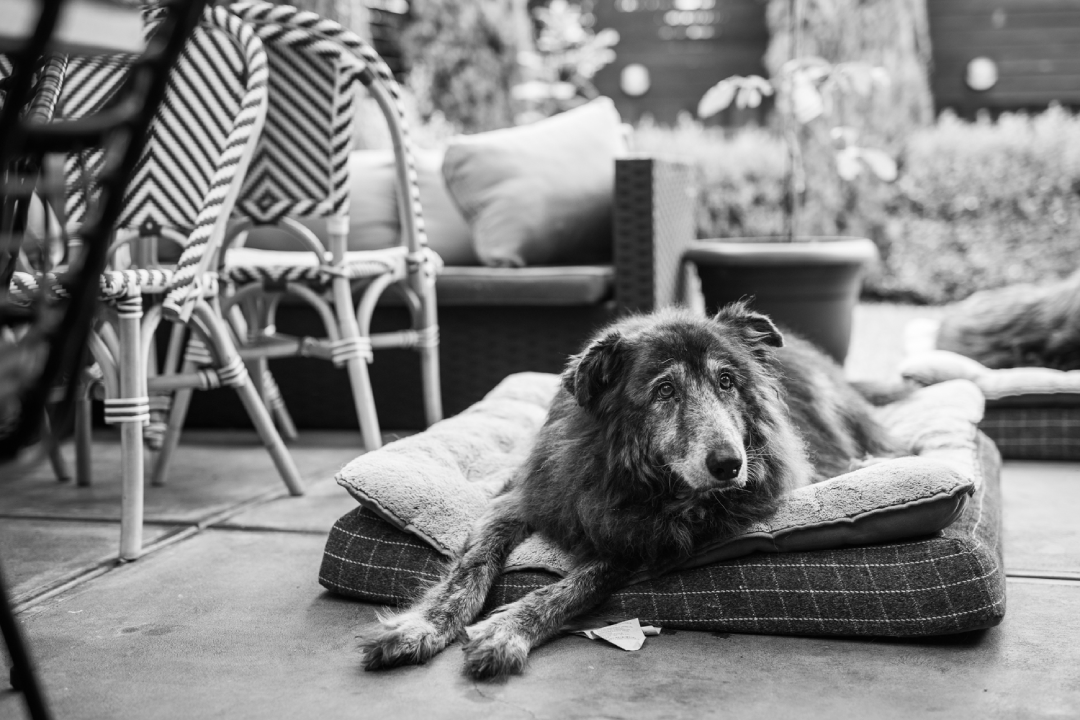
Saying goodbye to a beloved dog is one of the most heartbreaking experiences any pet parent will ever face. As they reach the final stage of life, you may notice subtle changes—or more obvious signs—that signal their time is drawing near. Recognising these signs can help you prepare emotionally, make informed decisions, and ensure your companion’s final days are filled with love, comfort, and dignity.
At Horizon Palliative Vets, we understand how overwhelming this time can be. Our experienced and compassionate team is here to support families with in-home palliative care, comfort management, and peaceful euthanasia services designed to meet your dog’s needs in the familiarity of their own home.
Common Signs a Dog Is Dying
As your dog nears the end of their life, the changes you notice can feel confronting and, at times, uncertain. These signs are your dog’s way of showing that their body is slowing down and that they may need more support and comfort.
Common signs a dog is dying may include:
Extreme fatigue or weakness
Loss of appetite or refusal to eat
Difficulty breathing
Vomiting or digestive problems
Loss of bladder or bowel control
Withdrawal from family members
Loss of interest in favourite activities
Every dog’s experience is different, and these signs may appear gradually or more suddenly. What matters most is recognising these changes early so you can respond with care and compassion.
Emotional Signs Your Dog May Be Saying Goodbye
Alongside physical changes, many dogs show emotional and behavioural shifts as they approach the end of life. These can be especially difficult to interpret, but they often reflect your dog’s changing needs.
You may notice:
Seeking solitude or isolation
Becoming more clingy or dependent
Restlessness or pacing
Confusion or disorientation
Some dogs may want to be close to you, while others may prefer quiet time alone. Both responses are natural, and simply being present in a way that suits your dog can provide reassurance and comfort.
Signs Your Dog Is Dying of Old Age
For older dogs, this transition is often more gradual. Changes may develop over time, reflecting the natural ageing process as well as underlying health conditions.
Behavioural Changes
Increased need for rest
Changes in interaction or awareness
Mobility Issues and Disorientation
Difficulty walking or standing
Confusion or getting lost in familiar spaces
These changes can feel subtle at first, but over time they may become more noticeable. Supporting your dog through this stage means adapting to their pace and focusing on what keeps them comfortable and settled.
Health Issues That Cause Signs That Your Dog May Pass Away
Underlying health conditions such as advanced cancer, organ failure (especially liver or kidney disease), heart conditions, or neurological disorders often cause the signs associated with dying. In some cases, dogs may live with chronic illness for extended periods before suddenly declining. Pain, nausea, fatigue, and loss of mobility are all common in late-stage disease. Through palliative care consultations, the team at Horizon Palliative Vets can help manage these conditions with a focus on comfort, using treatments like pain relief, comfort medications, and laser therapy to ease your pet’s symptoms.
How to Support Your Dog Through This Time
Supporting your dog during their final days means prioritising comfort, connection, and calm. Keep their environment quiet and familiar. Offer soft bedding, favourite toys, gentle grooming, and soothing touch. Monitor their pain and behaviour closely, and adjust their routine to meet their changing needs. This can be an emotionally challenging time, but you don’t have to go through it alone. Horizon Palliative Vets offers in-home support, helping you provide care that’s gentle and respectful, all in the comfort and safety of your dog’s own home. Our goal is to walk beside you, offering both practical care and emotional guidance.
How to Know When a Dog Is Ready for Euthanasia
Deciding when to say goodbye is deeply personal and often filled with uncertainty. Some signs that it may be time to consider euthanasia include ongoing pain that can’t be managed, inability to stand or walk, persistent vomiting or diarrhea, loss of appetite, or a complete lack of interest in life. Quality of life assessments—like those offered by Horizon Palliative Vets—can help you understand whether your dog is still experiencing joy and comfort, or if their suffering has begun to outweigh their ability to enjoy life. Our experienced team offers gentle, in-home euthanasia so your beloved dog can pass peacefully, surrounded by love and familiarity.
Conclusion
Recognising the signs that your dog is nearing the end of life is never easy, but it allows you to be present, make informed choices, and honour their journey with the care they deserve. Whether you’re looking for guidance, comfort care, or a peaceful farewell at home, Horizon Palliative Vets is here to help you every step of the way.
If you're noticing changes in your dog or you're unsure about what to do next, please don’t hesitate to contact our compassionate team. We’re here to support you with understanding, dignity, and love.
FAQs
-
Look for changes in behaviour, appetite, mobility, and breathing.
-
Dogs may not understand death, but they can sense changes in their body.
-
Dogs often become very quiet, withdrawn, and may have changes in breathing.
-
Many pet owners choose to stay to provide comfort and reassurance.
-
Contact your veterinarian for guidance on next steps.
-
Yes, with the right support, dogs can pass comfortably at home.
-
Grief is deeply personal, and losing a pet can be just as significant.