Benefits of Senior Pet Care Delivered via Home Visits
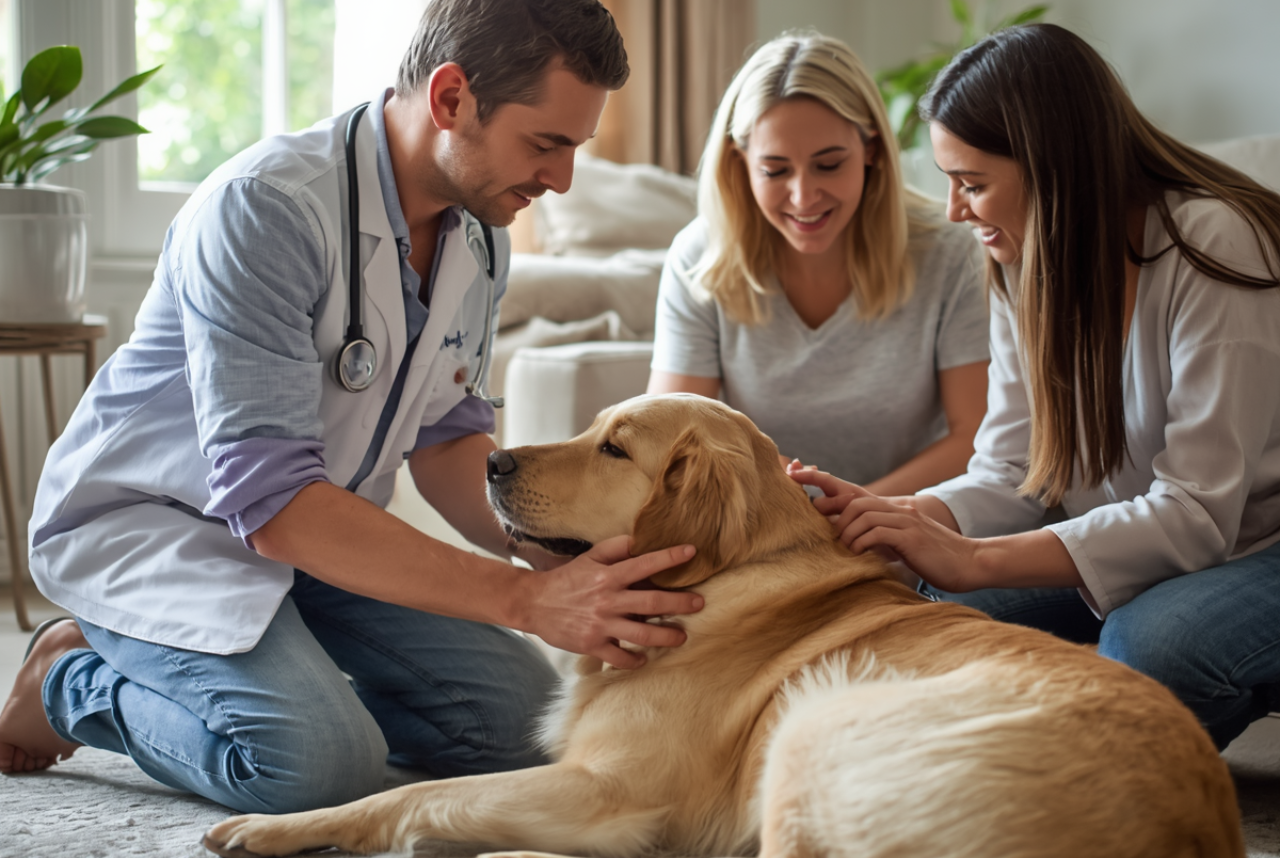
There comes a time in every pet’s life when slowing down is inevitable. Walks become shorter, stairs feel harder, and sleep becomes a little longer than it used to be. For many families, these changes are gentle reminders of the years of love shared together.
At Horizon Palliative Vets, we believe senior pets deserve care that prioritises comfort, familiarity, and dignity. That’s why we bring veterinary support directly into the home – where pets feel safest, and where families can focus on what matters most: time together.
Your Senior Pet Deserves Care That Comes to Them
Watching a beloved pet age can be one of the most emotional parts of pet ownership. Subtle changes – like reduced mobility, confusion, or a quieter personality – can leave families unsure of what is “normal” and what needs support.
It’s common to feel a mix of worry, guilt, and helplessness during this stage. Many owners simply want reassurance that they’re doing the right thing, and that their pet is comfortable. Home-based veterinary care helps bridge that gap, offering calm, professional guidance in the place your pet knows best.
Less Stress, More Comfort: The Power of Home-Based Care
For senior pets, comfort is not just a preference- it’s a key part of good care. As pets age, their ability to cope with change, travel, and unfamiliar environments often decreases. What may have once been a simple trip to the vet can become physically tiring and emotionally overwhelming.
Home-based veterinary care removes many of these stressors, allowing pets to be assessed and supported in a calm, familiar environment where they already feel safe.
How Clinic Visits Affect Elderly and Anxious Pets
For many senior pets, visiting a traditional clinic can introduce multiple layers of stress all at once. The car journey alone may be uncomfortable for pets with arthritis or mobility issues, while motion, noise, and restraint can increase anxiety.
Once at the clinic, unfamiliar smells, other animals, and waiting times can further elevate stress levels. This can sometimes lead to:
Increased heart rate and agitation
Masking of pain or subtle symptoms due to adrenaline
Reluctance to move or cooperate during examination
Heightened anxiety than can linger after returning home
In these moments, it can be difficult to get a true sense of how your pet is feeling day-to-day.
The Calming Effect of Familiar Surroundings
In-home care shifts the entire experience into a space your pet already understands. Their favourite resting spot, familiar sounds, and everyday routines all remain unchanged, helping them feel secure throughout the visit.
This familiar environment allows pets to relax more fully, which often leads to more natural behaviour and a clearer picture of their health and comfort. Subtle signs – like how they rise, settle, or interact with family members – can be observed in real time, without the influence of stress or travel fatigue.
Care is delivered gently and at your pet’s pace, without waiting rooms, transport, or unnecessary pressure. This not only improves comfort but also supports dignity and emotional wellbeing throughout the consultation.
Ideal Candidates for In-Home Care
Senior pets experiencing reduced mobility or arthritis
Pets with anxiety or fear of travel
Animals with chronic or progressive illness
Pets requiring palliative or end-of-life support
Families seeking quality-of-life assessments
Pets who become distressed in clinical environments
Support for the Whole Family, Not Just the Pet
Practical Convenience of Home Visits
In-home consultations remove the challenges of transporting an unwell or elderly pet. There is no need to lift, carry, or stress a pet who may already be uncomfortable.
This makes care more accessible and manageable for families, particularly those with large dogs, multiple pets, or limited mobility themselves.
No travel required
Reduced physical strain on pets and owners
Flexible care delivered in a familiar environment
Time to discuss concerns without feeling rushed
Emotional Support During a Difficult Chapter
Caring for a senior pet often brings emotional complexity. Families may be navigating uncertainty about quality of life, treatment options, or how to recognise when their pet is uncomfortable.
Having veterinary support in the home allows for open, unhurried conversations. It creates space to ask questions freely, process information calmly, and make decisions without pressure.
At Horizon Palliative Vets, we understand that this stage of care is deeply personal. Our role is to provide guidance, reassurance, and compassionate support so families never feel alone in the journey.
How We Work With Your Regular Vet: Our Shared Care Model
A Complementary Service, Not a Replacement
Horizon Palliative Vets works alongside your regular veterinary clinic, not in place of it. We believe the best care outcomes come from collaboration and continuity between all members of your pet’s veterinary team.
Your regular veterinarian remains central to your pet’s medical history and ongoing treatment. Our role is to extend that care into the home environment, focusing on comfort, mobility, and quality of life.
This shared approach ensures your pet benefits from both clinical expertise and compassionate in-home support.
What Horizon Palliative Vets Provides
In-home senior and palliative consultations
Quality-of-life assessments
Pain and symptom management guidance
End-of-life planning and support
Mobility and comfort-focused care strategies
Communication and updates to your regular vet
What Your Regular Vet Continues to Handle
Vaccinations and routine preventative care
Diagnostic testing (blood tests, imaging, etc.)
Surgical procedures
Emergency and acute medical care
Shared Care Comparison Table
What to Expect from an In-Home Senior Pet Consultation
Before The Visit
Before your appointment, we take time to understand your pet’s history, current concerns, and any changes you have noticed. This helps tailor the consultation to your pet’s specific needs.
Where appropriate, and with your permission, we may also request previous records from your regular veterinary clinic to ensure a complete understanding of their medical background.
During the Visit
The consultation takes place in your pet’s home environment, allowing them to remain relaxed and comfortable throughout.
We gently assess mobility, behaviour, appetite, and overall wellbeing while discussing your concerns in detail. There is time for questions and conversation, without pressure or time constraints.
After the Visit – Ongoing Care and Vet Communication
Following the consultation, we provide a clear summary of findings and recommendations. With your consent, we communicate directly with your regular veterinarian to ensure coordinated and consistent care.
If ongoing palliative care support is needed, we work with you to develop a personalised care plan focused on comfort, dignity, and quality of life.
FAQs
-
Home visits reduce stress, allow for more accurate assessment, and ensure pets remain comfortable in familiar surroundings.
-
The age at which a pet is considered “senior” can vary depending on their species, breed, and size. We generally begin considering pets as entering their senior years from around 7 years of age, as this is often when age-related changes can begin to develop.
-
Yes, where appropriate, our veterinarians can prescribe medications as part of a palliative or comfort-focused care plan.
-
If your pet is experiencing age-related changes, chronic illness, mobility issues, or anxiety around travel, an in-home consultation may be beneficial.