How Do You Know If Your Cat Is In Pain? Key Signs Every Cat Owner Should Know
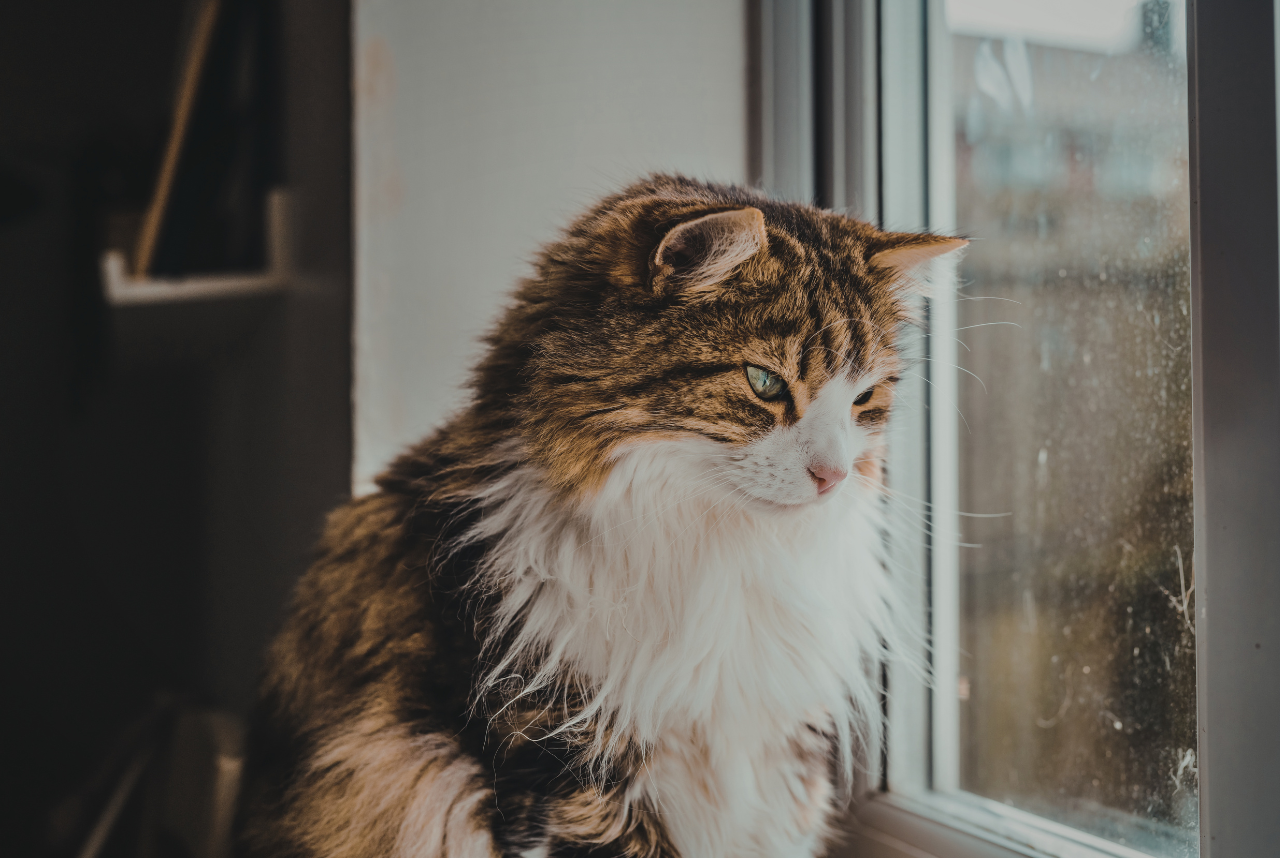
Cats are masters at hiding discomfort, often masking pain until it becomes more advanced. This instinct comes from their wild ancestry, where showing weakness could make them vulnerable. Because of this, recognising subtle changes early is essential in supporting their comfort and quality of life. From a palliative care perspective, early recognition of pain allows for timely intervention, helping ensure cats remain as comfortable and content as possible at home.
Why Cats Hide Pain
Cats evolved as both predators and prey, which means concealing weakness was essential for survival. Even today, this instinct remains strong, leading many cats to hide signs of illness or discomfort.
This can make pain difficult to detect, even for attentive owners. Unfortunately, by the time more obvious symptoms appear, a cat may already be experiencing significant discomfort.
Because signs are often subtle, small behavioural or physical changes can be important early indicators that something is wrong.
Common Signs Your Cat May Be in Pain
Behavioural Changes
Pain can often be first noticed through changes in behaviour, including:
Hiding or withdrawing from usual social interaction
Increased irritability or aggression when touched
Reduced affection or avoidance of people
Difficulty or reluctance to groom themselves
These changes may appear gradually and can sometimes be mistaken for “personality changes”.
Changes in Movement
Mobility changes are another key indicator of pain:
Limping or stiffness, especially after resting
Reluctance to jump onto furniture of climb stairs
Hesitation or difficulty using the litter tray
Moving more slowly or carefully than usual
These signs are often associated with joint pain, injury, or underlying disease.
Vocalisation Differences
Some cats become more vocal when in pain, while others become unusually quiet.
Possible changes include:
Increased meowing, growling, or unusual vocal sounds
Changes in tone or frequency of vocalisation
In some cases, a noticeable decrease in vocalisation in normally chatty cats
Grooming & Appearance
Pain can affect a cat’s ability or willingness to groom:
Overgrooming specific painful areas
Matted, greasy, or unkempt fur
Neglected coat condition in areas they normally keep clean
Skin or joint discomfort is often linked to these grooming changes.
Appetite & Eating Habits
Changes in eating behaviour may also indicate pain:
Reduced appetite or refusal to eat
Difficulty chewing or swallowing food
Preference for softer foods or avoidance of dry food
Oral pain, nausea, or systemic illness can all contribute to these changes.
Subtle Signs Often Missed by Owners
Some signs of pain in cats are extremely subtle and easy to overlook, such as:
Changes in sleeping position or reluctance to settle
Dilated pupils or tense facial expression
Flattened ears or altered ear positioning
Tail held unusually low or tucked
Increased time spent resting in unusual places
These small shifts in body language can be early indicators of discomfort.
Pain Assessment in Cats (Vet Perspective)
Veterinarians assess pain in cats using a combination of physical examination and behavioural observation.
This may include:
Checking posture, movement, and muscle tension
Assessing response to touch or manipulation
Observing facial expressions and behaviour
Reviewing appetite, activity levels, and daily habits
In some cases, structured pain scoring systems are used to help objectively assess severity and guide treatment decisions. Because cats often hid pain well, professional assessment is essential for accurate diagnosis.
When Should You Seek Veterinary Help?
You should seek veterinary advice if you notice any persistent changes in your cat’s behaviour, movement, or appetite.
Urgent signs include:
Not eating for more than 24 hours
Severe lethargy or collapse
Difficulty breathing
Open-mouth breathing or “panting” (this is not normal in cats and should always be treated as urgent)
Straining to urinate or struggling to pass urine (particularly in male cats)
Sudden inability to walk or use limbs
Signs of extreme distress or persistent vocalisation
Early intervention can significantly improve comfort, treatment option, and overall outcomes.
How Palliative Care Can Help Cats in Pain
Palliative care focuses on comfort and quality of life rather than cure, particularly for chronic or terminal conditions.
This may include:
Pain relief and symptom management
Medication adjustments tailored to individual needs
Support for mobility and daily comfort
Nutritional and hydration support
Ongoing quality-of-life assessments
From a home-care perspective, palliative support can help cats remain comfortable in familiar surroundings while maintaining dignity and wellbeing.
How to Keep Your Cat Comfortable at Home
There are several simple ways to improve comfort for a cat experiencing pain:
Provide warm, soft, and supportive bedding
Ensure easy access to food, water, and litter trays
Minimise the need for jumping or climbing
Maintain a quiet, low-stress environment
Keep routines consistent and predictable
Small adjustments can make a meaningful difference to daily comfort.
“Worried your cat may be in pain? Speak with our palliative care vets today.”
FAQs
-
Cats in pain may become withdrawn, irritable, less active, or show changes in grooming, appetite, or mobility. Some cats become quieter, while others become more vocal or restless.
-
Yes. Cats are very skilled at masking pain, and many will show only subtle behavioural or physical changes. This is why small shifts in routine or personality should never be ignored.
-
Yes, cats may still purr when in pain. While purring is often associated with contentment, it can also occur during stress, discomfort, or illness and is not always a sign that a cat is comfortable.
-
Early signs may include subtle changes in behaviour, reduced activity, decreased grooming, changes in appetite, or slight shifts in posture and movement. These early indicators are often the most important to notice.