How Long Can a Dog Live With Cancer? What Families Need to Know
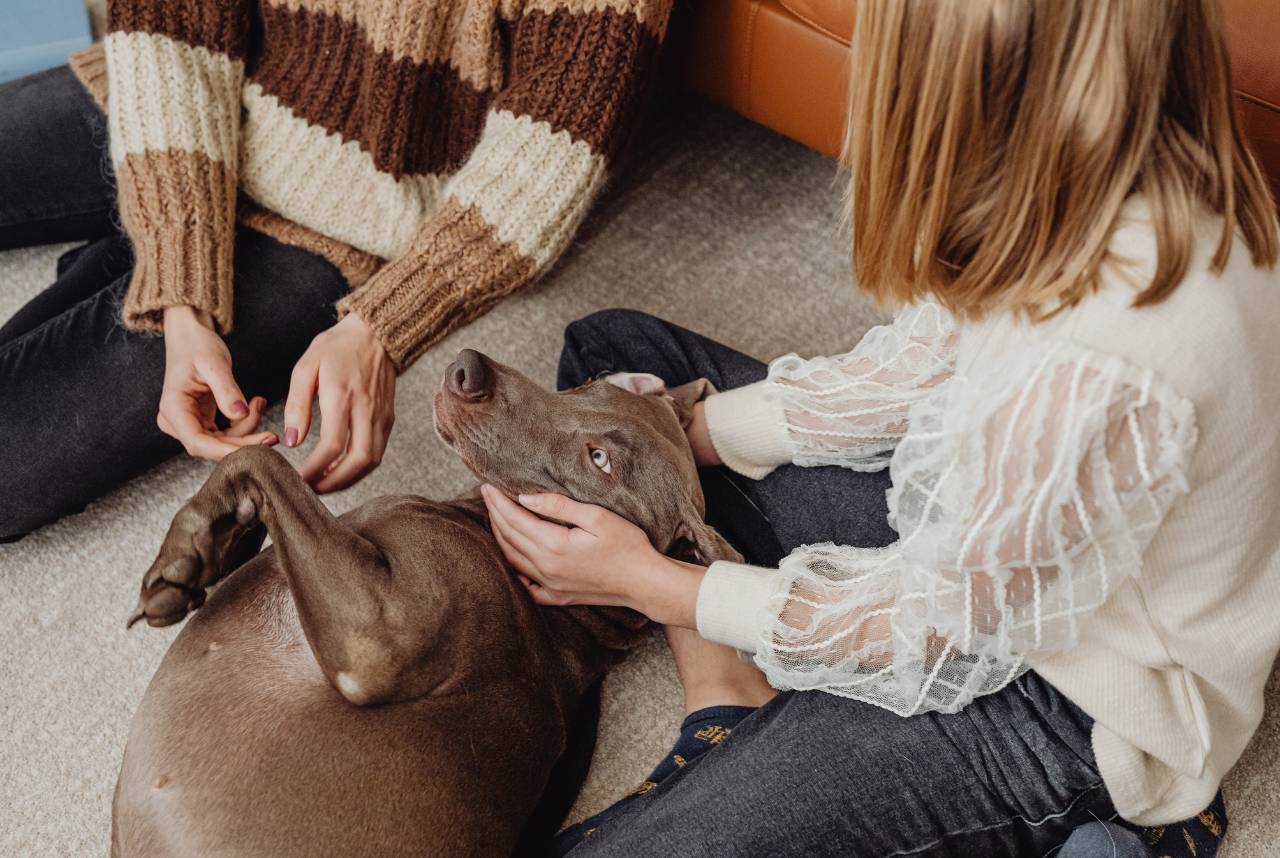
A cancer diagnosis in a dog is often emotional and overwhelming, and it’s natural for families to immediately wonder how much time they may have left together. The truth is that life expectancy varies widely depending on the type and stage of cancer, as well as treatment options and overall health. While timelines can be helpful, the most important focus is often on quality of life – ensuring comfort, dignity, and meaningful time together for as long as possible.
Understanding Cancer in Dogs
Cancer in dogs is not a single disease but a group of conditions that can affect almost any organ or tissue in the body. Common types include skin tumours, lymphoma, bone cancer (osteosarcoma), and internal organ cancers.
Some cancers are slow-growing and may be managed for extended periods, while others are more aggressive and progress quickly. The behaviour of the cancer plays a major role in prognosis and treatment planning.
How Long Can Dogs Live With Cancer?
Survival times after a cancer diagnosis can range widely – from weeks to months, and in some cases, years.
Some dogs live for a long time with treatment or palliative care, especially if the cancer is slow-growing or diagnosed early. Others may experience a more rapid decline, particularly with aggressive or advanced-stage disease.
Because every case is different, veterinarians often focus less on exact timelines and more on how the dog is feeling and responding over time.
Factors That Affect Life Expectancy
Type and Stage of Cancer
The type of cancer and how advance it is at diagnosis are two of the most important factors influencing prognosis.
Early-stage cancers may respond better to treatment and allow for longer survival times
Advanced or metastatic cancers are often more difficult to control and may progress more quickly
Treatment Options
Treatment choices can significantly influence both lifespan and quality of life:
Surgery: May remove localised tumours and improve prognosis
Chemotherapy: Can slow disease progression and manage symptoms
Radiation therapy: Often used for local control of certain tumours
Palliative care only: Focuses on comfort and symptom relief rather than cure
Age and Overall Health
A dog’s age and general health play an important role in how well they tolerate cancer and its treatments.
Younger dogs may cope better with aggressive treatment options
lder dogs or those with other illnesses may be better suited to comfort-focused care
Response to Treatment
Every dog responds differently to treatment. Some may improve significantly, while others mya not respond as expected. Regular monitoring helps guide ongoing care decisions.
Signs Your Dog’s Condition Is Changing
As cancer progresses, you may notice changs such as:
Reduced appetite or refusal to eat
Increased fatigue or sleeping more
Breathing difficulties
Signs of pain or discomfort
Reduced interest in interaction or activities
These changes can be gradual or more sudden, depending on the disease.
When to Consider Quality of Life
Quality of life is one of the most important considerations in canine cancer care. Many families find it helpful to think in terms of “good days vs bad days” and whether their dog is still able to enjoy daily life.
Quality-of-life scales used by veterinarians often assess:
Pain levels
Appetite and hydration
Mobility
Happiness or engagement
Ability to rest comfortably
When bad days begin to outweigh good days, it may be time to reassess care priorities with your veterinarian.
The Role of Palliative Care in Canine Cancer
Palliative care focuses on comfort rather than cure, and can play a valuable role at any stage of cancer.
This may include:
Pain management and symptom control
Anti-nausea and appetite support
Mobility assistance
Emotional support for families
Ongoing quality-of-life monitoring
Palliative care can help dogs remain comfortable at home while maintaining dignity and routine.
Making Difficult End-of-Life Decisions (Euthanasia Guidance)
For some dogs, there may come a time when suffering can no longer be effectively managed. Euthanasia is a compassionate option that may be considered when quality of life has significantly declined.
Signs this may be approaching can include:
Persistent pain despite medication
Ongoing distress or inability to settle
Loss of interest in food, family, or surroundings
Severe decline in mobility or function
These decisions are never easy, and our team at Horizon Palliative Vets are here to guide and support families through the process with care and compassion.
How to Support Your Dog at Home
There are many ways to support a dog living with cancer at home:
Provide soft, comfortable bedding in quiet areas
Ensure food, water, and toileting areas are easy to access
Maintain a calm and predictable routine
Offer small, frequent meals if appetite is reduced
Make mobility easier with ramps or support if needed
Small adjustments can make a meaningful difference to comfort and wellbeing.
FAQs
-
Yes. Palliative care can significantly improve comfort and quality of life for dogs with cancer by managing pain, supporting appetite, and addressing symptoms as they arise.
-
This varies widely depending on the type, stage, and treatment of cancer. Some dogs live only weeks, while others may live months or even years with appropriate care.
-
Some slow-growing cancers may progress slowly without immediate treatment, while others can advance quickly. Without treatment, survival time is often shorter, but this depends entirely on the type of cancer.
-
Cancer can be painful, but not all dogs experience the same level of discomfort. Pain depends on tumour location, size, and progression, and can often be managed with medication and palliative care.
-
This decision is highly individual, but many families consider it when their dog is no longer experiencing more good days than bad, or when comfort cannot be maintained despite treatment. Our veterinary team at Horizon Palliative Vets can help guide you through this decision with compassion and support.